Ali translates the impact of adversity into language that builds resilience, agency, and hope.

Meet Ali

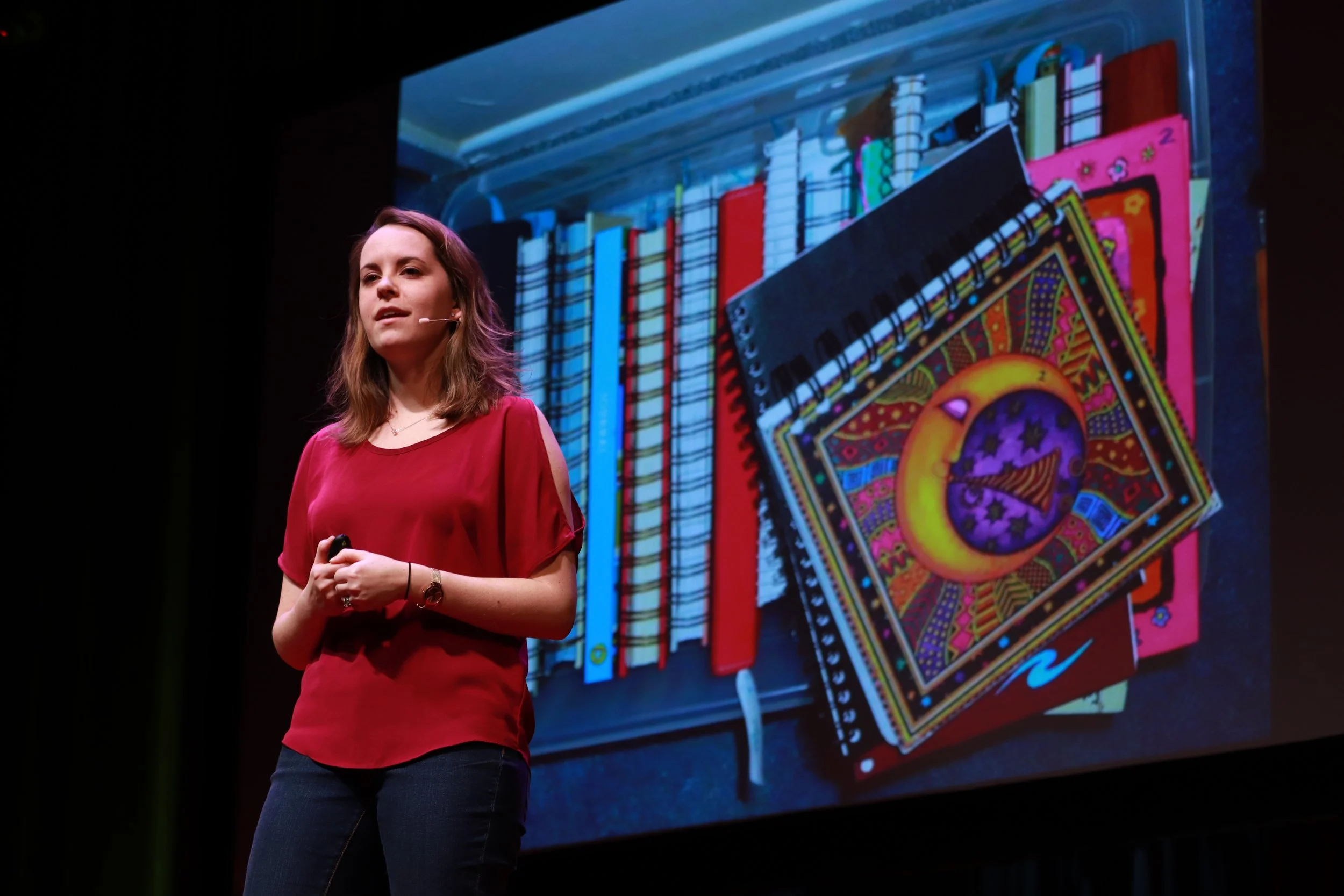
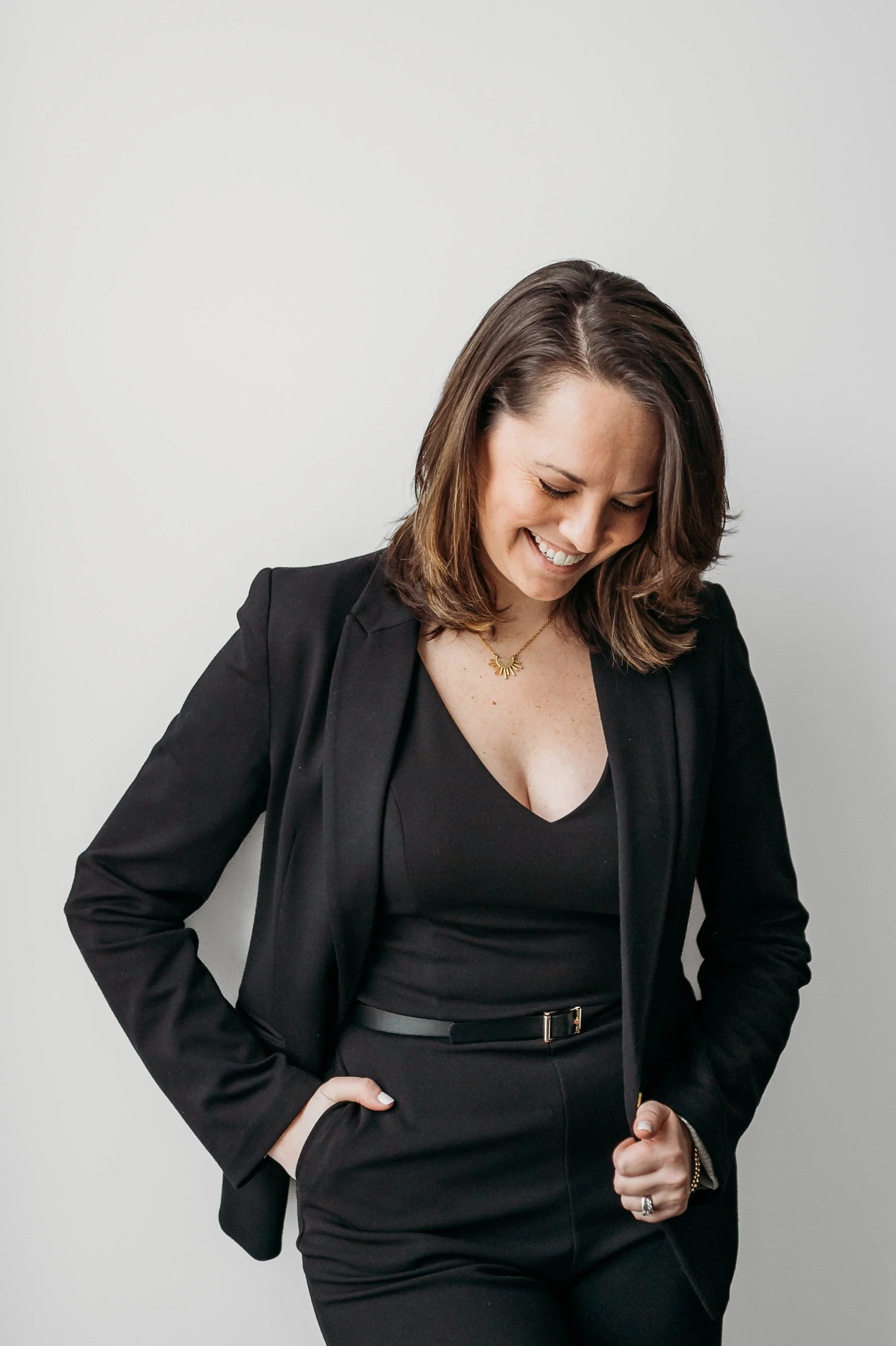
Ali Rothrock is an author, speaker, and educator specializing in trauma, resilience, and nervous system literacy.

As a volunteer firefighter/EMT and crisis counselor, Ali has spent over two decades working in the aftermath of crisis—inside firehouses, hospitals, dispatch centers, and with survivors navigating life after trauma.

She holds a Master’s degree in Trauma and Resilience and is the creator of The 3 R’s of Resilience™ and the concept of Vicarious Resilience™.

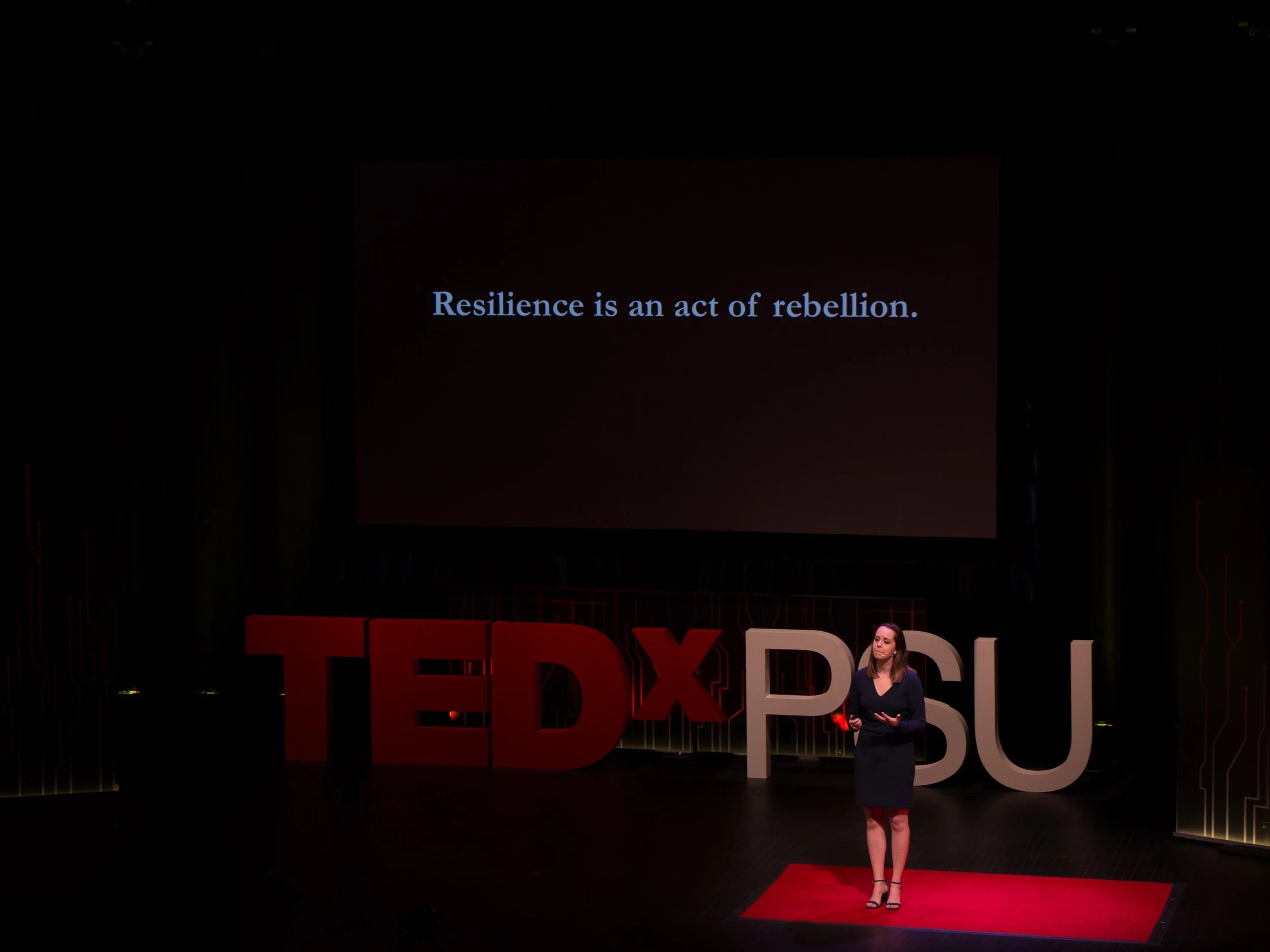
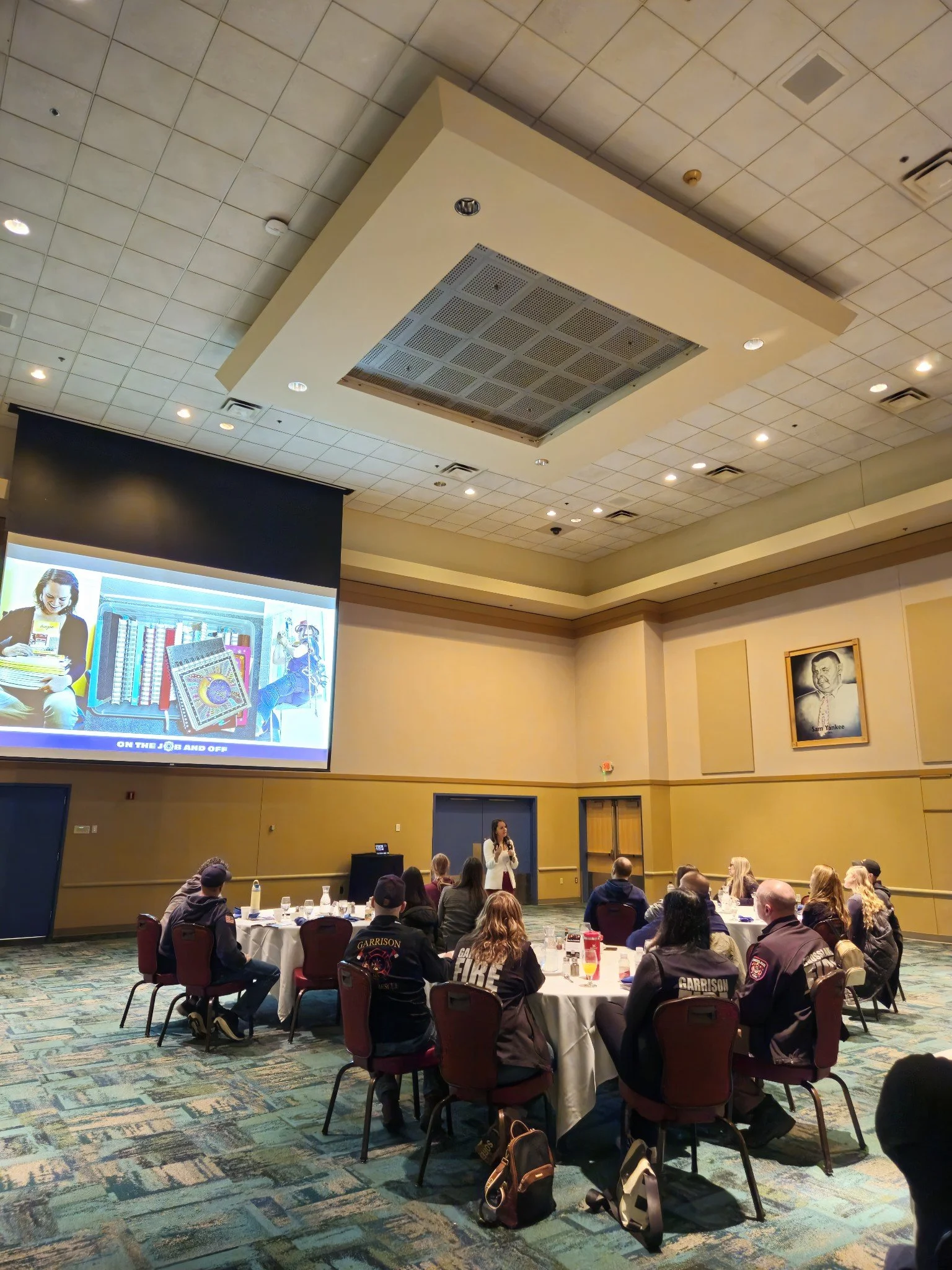
Her work has delivered over 500 presentations to audiences nationwide, helping individuals and organizations understand not just how to endure stress—but how to adapt, recover, and grow in its aftermath.

Ali moves audiences beyond awareness into action.

Most individuals and organizations know how to respond in the moment of pressure. Far fewer know how to support what happens after.

The long tail of stress—burnout, disconnection, emotional fatigue, and performance decline—is not a failure of individuals. It’s a reflection of systems that were never taught how the nervous system actually works.

Ali’s work bridges that gap. She offers audiences:

  • A clear understanding of how stress and trauma affect the brain and body

  • Tools to regulate their nervous system in high-pressure environments

  • A shared language for resilience that strengthens teams and culture

  • Practical strategies to reduce burnout and increase long-term capacity

  • A framework they can apply immediately—both professionally and personally

This is not surface-level inspiration. It’s a new framework for understanding how people function under pressure—and how they recover.

ALI’S SIGNATURE KEYNOTE:
Life After Survival: How We Carry What We’ve Been Through

What happens after the moment of crisis is where most people are left without language, without tools, and often, without support.

In this signature keynote, Ali Rothrock brings audiences inside the lived reality of what it means to continue after disruption—whether that disruption comes from a single event or the accumulated weight of many.

Blending frontline experience, personal narrative, and trauma-informed insight, Ali introduces a new way of understanding resilience—not as something we either have or don’t, but as something that can be built, practiced, and shared.

At the center of this work is her signature framework:

The 3 R’s of Resilience™

  • Regulate — learning how to return the nervous system to a place of steadiness

  • Resource — building the internal and external supports that make forward movement possible

  • Ritual — creating daily practices that restore continuity, meaning, and control

Alongside this framework, Ali introduces her concept of Vicarious Resilience™—the idea that we are not only shaped by what we endure, but by what we witness others survive. That resilience can move between us. That it can be learned, expanded, and carried.

This keynote offers audiences something rare: a way to understand their own experiences, and a way to move forward without having to leave them behind.

Expanded Conversations

Ali’s work moves across audiences and environments because it speaks to something universal: how human beings respond to stress, disruption, and change—and how we build capacity in the aftermath. Each talk is shaped by the audience in the room, but often explores themes such as:

Vicarious Resilience™”: How We Are Changed by What We Witness

We often talk about the cost of exposure to trauma but tis conversation expands the lens—exploring how witnessing courage, survival, and recovery can deepen our own capacity to endure and adapt.

The 3 R’s of Resilience™ in Practice: A Framework for Daily Life

A deeper exploration of regulation, resource-building, and ritual—not as abstract ideas, but as lived, adaptable practices that shift depending on the season someone is in.

The Nervous System and the Aftermath of Stress

Understanding why the body continues to respond long after the event has passed—and how awareness of the nervous system changes the way we interpret behavior, emotion, and recovery.

Burnout, Capacity, and the Limits of Endurance

A reframing of burnout—not as personal failure, but as a signal from a system that has been asked to carry too much for too long.

Writing, Story, and Meaning-Making After Trauma

How language, storytelling, and reflection help people process what they’ve experienced—and how meaning is built, not found, in the aftermath.

Designed for the room you’re in

No two audiences arrive with the same needs, capacity, or context. Some rooms need a powerful entry point—a way to understand what they’ve been carrying. Others are ready to go deeper, to translate insight into practice, and to build something more sustainable over time. Ali’s work is designed to meet people at each of those points.

Whether delivered as a single keynote or a multi-day experience, each engagement is grounded in the same core intention: to offer language, structure, and practical tools that people can carry with them long after the session ends.

Keynote

A single-session experience designed to shift perspective and create shared understanding. Keynotes introduce foundational concepts like The 3 R’s of Resilience™ and Vicarious Resilience™, offering audiences a clear, accessible way to understand how stress and trauma impact the nervous system—and how resilience can be built in response. This format is ideal for conferences, large gatherings, and moments where a unified message matters.

Workshops

Interactive, applied sessions that move from insight into practice. Workshops create space for deeper engagement—allowing participants to explore how these concepts show up in their own lives and work. Through guided reflection, discussion, and practical exercises, participants begin to translate ideas into usable tools. This is where the work becomes personal, and where change begins to take hold.

Half-Day & Full-Day Experiences

Extended sessions designed to build depth, integration, and shared language across a group or organization. These experiences allow for a more complete exploration of resilience—moving through education, application, and discussion. Participants not only learn the framework, but begin to understand how to apply it in real time, within their specific environments. This format is often used for teams, leadership groups, and organizations looking to create a more consistent and sustainable approach to stress, communication, and recovery.

Multi-Day Trainings

Immersive experiences for organizations and communities committed to long-term change. Multi-day engagements create the space necessary to move beyond awareness into integration. Participants have the opportunity to revisit concepts, practice new approaches, and build continuity over time—allowing the work to become embedded rather than simply introduced. These trainings are especially impactful for groups operating in high-stress environments, where resilience is not optional, but essential.

A Note on Approach

Ali shapes every engagement in collaboration with the organization—honoring the specific context, challenges, and people in the room. Because while the framework remains consistent, how it is applied should never be one-size-fits-all.